
What Exactly Is an International eSIM and How Does It Differ from a Physical SIM?
Stay Connected Anywhere With the Best International eSIM Plans
Tired of hunting for Wi-Fi or overpaying for roaming the moment you land abroad? An international eSIM is a digital SIM card that lets you instantly connect to local networks in multiple countries without swapping your physical SIM. You simply scan a QR code or download a profile, choose a data plan, and you’re online as soon as the plane doors open. It turns your phone into a global travel companion, so you can navigate, share photos, and stay in touch just like at home.
What Exactly Is an International eSIM and How Does It Differ from a Physical SIM?
An international eSIM is a digital SIM profile embedded directly into your device’s hardware, allowing you to connect to multiple country networks without a physical card. Unlike a physical SIM, which is a removable plastic chip tied to a single carrier, an international eSIM lets you download carrier profiles over Wi-Fi and switch between regional networks instantly. The key practical difference is that a physical SIM must be shipped, inserted, and swapped, while an eSIM can be activated in minutes and stored alongside your primary number. You cannot remove an eSIM from one phone and insert it into another, though you can transfer it via QR code or app—making it far more flexible for travel, but less plug-and-play for device changes.
The Core Technology: A Digital Chip Built Into Your Phone
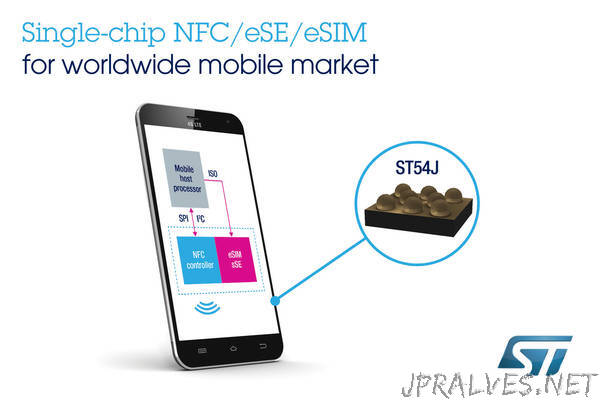
At the heart of every eSIM-compatible device lies a tiny, soldered chip called the eUICC, which replaces the plastic card slot entirely. This embedded digital SIM technology acts as a blank, rewritable secure element, letting you download a carrier profile directly onto the phone’s motherboard instead of inserting a physical card. For international travel, this core chip means you can switch to a local network in seconds by scanning a QR code, without hunting for a store or handling fragile nano-SIMs. The chip’s secure memory holds multiple profiles simultaneously, so your home number stays active while an overseas data plan runs in parallel. Because it is built into the hardware, there is nothing to lose, damage, or eject—your connectivity is permanently sealed inside the device, ready for instant reconfiguration.
- The chip is soldered to the motherboard, eliminating the physical tray and its moving parts.
- It stores multiple carrier profiles, allowing instant switching between your home and international networks.
- Remote provisioning rewrites the chip’s data over the air, so no physical swap is ever needed.
- The secure element isolates your credentials, making the digital chip tamper-resistant compared to a removable card.
Why Travelers Are Ditching Plastic SIM Cards for This Option
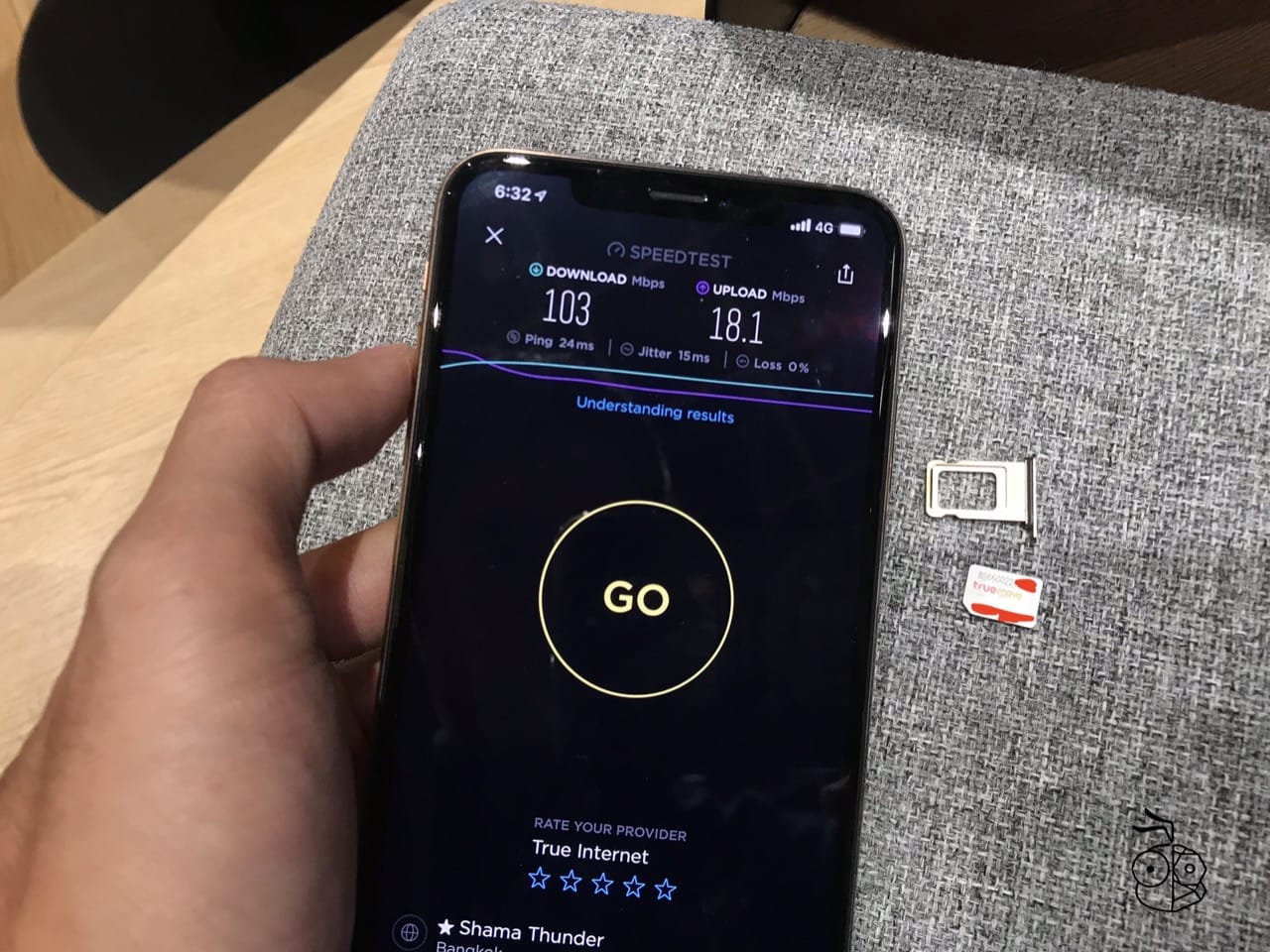
Travelers are ditching plastic SIM cards because swapping them feels like a relic from another decade, especially when a digital eSIM profile activates in minutes. Fumbling with a tray at baggage claim is replaced by scanning a QR code from your seat, making connectivity instant upon landing. You also stop hunting for a local vendor who might sell a dodgy, oversized card that fits poorly. Instead, you keep your primary number active for banking alerts while a data-only eSIM runs parallel. No more losing your original SIM in a hotel room, either. The moment you realize you can top up data from your phone without visiting a store, the plastic card becomes obsolete.
- Activate before departure, so service works the second you deplane.
- Avoid carrying a tiny, fragile SIM that can snap or get lost.
- Switch between countries without hunting for a new physical card.
- Keep your home number active simultaneously on the same phone.
How to Set Up and Activate a Global Data Plan on Your Device in Under Five Minutes
To set up an international eSIM in under five minutes, first confirm your device is carrier-unlocked and eSIM-compatible, then purchase a global data plan from a provider like Airalo or Holafly. Scan the emailed QR code or enter the activation code manually under *Settings > Cellular > Add eSIM*. After a minute, your device connects to local towers automatically—no SIM swapping required. Tip: enable data roaming and set the eSIM as your primary data line while keeping your home SIM for calls. Q&A: *Why does it take under five minutes?* Because activation is fully digital, skipping physical shipping and store visits, so you’re online as soon as the profile downloads and registers.
Step-by-Step: Scanning a QR Code vs. Manual Installation
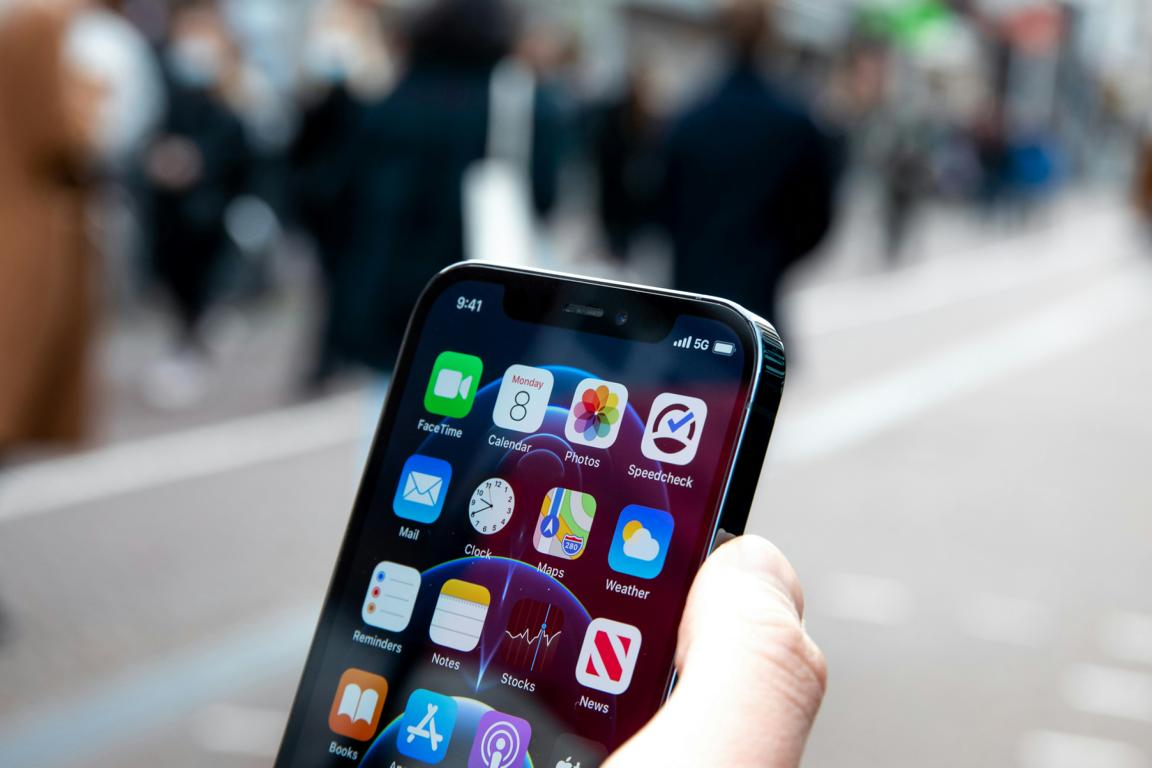
For international eSIM activation, the fastest route is scanning the QR code provided by your carrier. Open your device’s Settings, tap “Cellular” or “Mobile Data,” then select “Add eSIM.” Point your camera at the QR code; the profile downloads and installs automatically, usually under 60 seconds. If the QR code is damaged or your camera fails, choose manual installation instead. Manual installation requires entering the activation code and SM-DP+ address—both found in your carrier’s email—into the same “Add eSIM” menu. Follow this sequence:
- Select “Enter Details Manually” under “Add eSIM.”
- Type the SM-DP+ address and activation code exactly as shown.
- Confirm the plan label, then wait for the profile to download.
QR scanning is more error-proof; manual entry risks typos, so double-check every character before confirming.
What to Do If Your Phone Doesn’t Support eSIM (and Which Models Do)
If your phone lacks eSIM support, you cannot activate New Zealand eSIM a digital international plan, but a physical SIM alternative remains viable. First, check your device’s specifications or dial `*#06#`; if no EID number appears, it is incompatible. For unsupported models, purchase a travel SIM card from a provider like Airalo or Holafly (they ship globally), insert it into your SIM tray, and manually enter the APN settings from your confirmation email—this typically takes less than five minutes. Supported models include iPhone XS and newer (excluding SE 1st gen), Google Pixel 3 and newer, Samsung Galaxy S20 and newer, and recent Motorola and Huawei flagships. Ensure your phone is carrier-unlocked before buying any alternative. For a clear sequence:
- Verify eSIM compatibility via settings or IMEI.
- Order a physical travel SIM compatible with your destination.
- Install, configure APN, and test connectivity.
If you’re stuck, contact the eSIM provider for a temporary QR code or a refund, but for older phones, a physical SIM is the only practical route.
Key Features to Look for When Choosing a Worldwide Data Package
When picking a worldwide data package for an international eSIM, focus on coverage footprint first—make sure it actually includes every country on your itinerary, not just popular hubs. Check the data allowance carefully; some plans throttle speeds after a daily cap, which kills navigation and video calls. Look for flexible top-ups so you can add gigs mid-trip without buying a whole new plan. Validity length matters too—a 30-day plan might expire before your return flight, so match it to your travel dates. Crucially, confirm the eSIM supports hotspot tethering, since many budget packages restrict it, and verify that the plan uses a tier-1 network partner for reliable signal instead of cheap roaming agreements. Lastly, check if the app lets you monitor usage in real time to avoid surprise cutoffs.
Coverage vs. Speed: Understanding Network Partnerships and 5G Access
When evaluating international eSIM options, coverage vs. speed hinges on the underlying network partnerships each provider has secured. A global eSIM may boast 190+ country coverage, but that reach often means routing through local 3G or 4G fallback networks in rural zones, sacrificing speed for connectivity. Conversely, premium eSIMs prioritize direct agreements with tier-1 carriers like Vodafone or Singtel, unlocking true 5G access in major cities—yet that same speed fades in remote regions where those partners lack towers. Check the eSIM’s partner list, not just the map: if a provider lists fragmented MVNO agreements, expect throttled speeds even on a “5G” label. Choose based on your travel pattern—dense urban itineraries favor speed-first partnerships; multi-country road trips favor broad coverage, even at lower throughput. Your decision is a trade-off, not a guarantee.
Coverage and speed are never equal; network partnerships decide where you get 5G and where you get merely a signal—optimize for your route, not the marketing map.
Data Only vs. Calls and Texts: Which Plan Matches Your Travel Style?
Choosing between a data-only eSIM and one that includes calls and texts hinges on how you actually communicate abroad. For travelers who rely on WhatsApp, Google Maps, or email, a data-only plan is often sufficient and cheaper, especially for short trips where Wi-Fi fills gaps for voice calls. However, if you need to book restaurants, verify bank transactions, or contact local services that still rely on traditional phone lines, a plan with calling minutes prevents costly roaming gaps. For longer stays, a hybrid approach—data-heavy with limited voice—usually balances cost and reliability. Assess your daily friction points: missing a call from your hotel or a local ride-share driver can outweigh the savings of pure data.
- Data-only suits app-first communication and navigation-heavy itineraries.
- Calls and texts become essential for booking confirmations and two-factor authentication.
- Mixed plans (e.g., 5GB data + 50 minutes) fit multi-week travelers avoiding carrier surprises.
Top-Up Options, Validity Periods, and Multi-Region Flexibility
When selecting an international eSIM, prioritize **flexible top-up options** that let you add data directly from the provider’s app without buying a new QR code. Check validity periods carefully—short-term travelers benefit from 7-day plans, while frequent roamers need 30- or 90-day windows that auto-expire without penalties. Multi-region flexibility means a single package should cover multiple countries (e.g., Europe-wide or Asia-Pacific) rather than requiring separate purchases per nation. Always verify whether top-ups extend the same regional coverage or lock you into a single zone. A robust plan lets you switch regions mid-trip without reinstallation.
- Choose providers offering instant top-ups with no expiry on unused data.
- Confirm validity starts at activation, not purchase, to avoid wasted days.
- Ensure multi-region bundles include cross-border roaming without extra fees.
- Look for staggered validity options (daily, weekly, monthly) to match trip length.
How to Avoid Common Pitfalls and Get the Most Out of Your Virtual SIM
To avoid pitfalls with an international eSIM, first verify your device is carrier-unlocked before purchasing, then install the profile while you still have Wi-Fi. Disable your primary line’s data roaming to prevent accidental billing spikes, and always download the eSIM’s carrier settings update before departure. For maximum value, buy a data-only plan matching your destination’s local network bands, and check your provider’s tethering policy. **Prioritize providers offering a free “test” connection or money-back window for compatibility.**
Q: What’s the fastest way to troubleshoot no service after activation? A: Manually select your host country’s network in settings, then reboot—this forces a fresh handshake. Activate the eSIM only after landing to extend its validity, and keep a screenshot of the QR code as a backup in case you need to reinstall mid-trip.
Activation Timing: Why You Should Install Before You Fly
The golden rule for any international eSIM is to handle **activation timing before you fly**, not after you land. Why? Because installing while connected to your home Wi-Fi avoids burning your domestic data on a spotty airport connection, and confirms the eSIM profiles download perfectly before you need them. If you wait until arrival, a delayed confirmation email or a confusing roaming prompt could leave you offline exactly when you need a map. The ten-minute setup is far easier in your living room than at baggage claim. Pre-flight installation virtually guarantees a smooth arrival.
**Q: What if I install the eSIM before departure, but activate data later?**
A: That’s perfect—just install and disable cellular data. The clock only starts when you switch to the eSIM, so you’re ready without wasting a single day.
Managing Dual SIMs: Keeping Your Home Number Active While Roaming
When traveling, a common pitfall is letting your physical home SIM remain active without managing its settings, leading to unexpected charges. To keep your home number accessible, designate it for calls and SMS only, while routing all cellular data strictly to your eSIM’s data plan. This separation prevents inadvertent data roaming on your primary line. Additionally, activate Wi-Fi calling on your home SIM before departure; if your carrier supports it, calls over Wi-Fi bypass roaming fees entirely. For incoming verification codes, disable automatic network selection on the home SIM to avoid carrier charges. Finally, set your phone’s default voice line to the home SIM, but keep the eSIM as the sole data source. This configuration lets you retain a live home number for OTPs and personal calls, while all data traffic runs cost-effectively through the eSIM, avoiding the classic dual-SIM billing trap.
Frequently Asked Questions About Global Connectivity—Answered Simply
Wondering if an international eSIM works the moment you land? Yes—scan the QR code before you depart, and it activates automatically when you connect to a local network, skipping airport Wi-Fi hunts. Curious about dual SIMs? Your physical home SIM stays active for calls, while the eSIM handles data, so you never lose your banking OTPs. What if you run out of data mid-trip? Most providers let you top up instantly in their app, no new QR code needed. And battery drain? eSIMs use negligible power, unlike roaming that constantly pings home networks. Does an eSIM work in every country? Not always—check the provider’s coverage map for your exact destinations, since some regional plans exclude a few smaller islands. If signal drops, toggling airplane mode for 30 seconds usually re-registers you to a stronger tower. For troubleshooting, keep the eSIM’s installation email handy, but you can also re-download it from your account anytime. That’s it—no physical cards, no store visits, just data that follows you.
Will an International eSIM Drain My Battery Faster?
An international eSIM does not inherently drain your battery faster than a physical SIM, as both use the same cellular radio for connectivity. The primary culprit behind increased power consumption is weak signal strength while roaming, not the eSIM itself. When your device struggles to maintain a connection on a foreign network, it boosts transmission power, which rapidly depletes the battery. You may also notice faster drain if you leave both your physical SIM and eSIM active simultaneously, as the phone continuously scans for two networks. To mitigate this, disable the unused line or switch to airplane mode with Wi-Fi calling when coverage is poor.
An international eSIM won’t drain your battery faster; the real drain comes from weak roaming signals and running dual SIMs simultaneously.
Can I Switch Between Multiple eSIM Profiles on the Same Trip?
Yes, you can switch between multiple eSIM profiles during the same trip, provided your smartphone supports multiple stored profiles. Most modern devices allow storing several profiles, though only one can be active for cellular data at a time. To change, go to your device’s cellular settings, select the profile you want, and activate it—this typically takes under a minute. Since inactive profiles remain installed, you can toggle back and forth as needed. For smooth transitions, ensure each profile has separate APN settings configured before departure. A practical sequence: (1) install all profiles pre-trip, (2) label them clearly by country or region, (3) activate the relevant one upon arrival, and (4) switch whenever crossing borders. No restart is usually required.
What Happens If I Run Out of Data in the Middle of the Night?
Running out of data at night with an international eSIM typically triggers an automatic hard stop, not a surprise bill. Most providers disable your connection immediately, so you won’t incur overage charges, but you also lose navigation, ride-hailing, and translation access until you act. The practical fix is preemptively enabling the eSIM’s auto-refill option, which purchases a small top-up package in the background if your balance hits zero. Without this, you must find Wi-Fi to manually buy more data, which is inconvenient at 3 a.m. in an unfamiliar city. Midnight data depletion on an international eSIM is therefore a logistics problem, not a financial one, solvable only by prior configuration.
Q: What happens if I run out of data in the middle of the night?
A: Your connection cuts off instantly, and you stay offline until you either trigger a pre-set auto-refill or locate Wi-Fi to purchase a new data pack manually.